
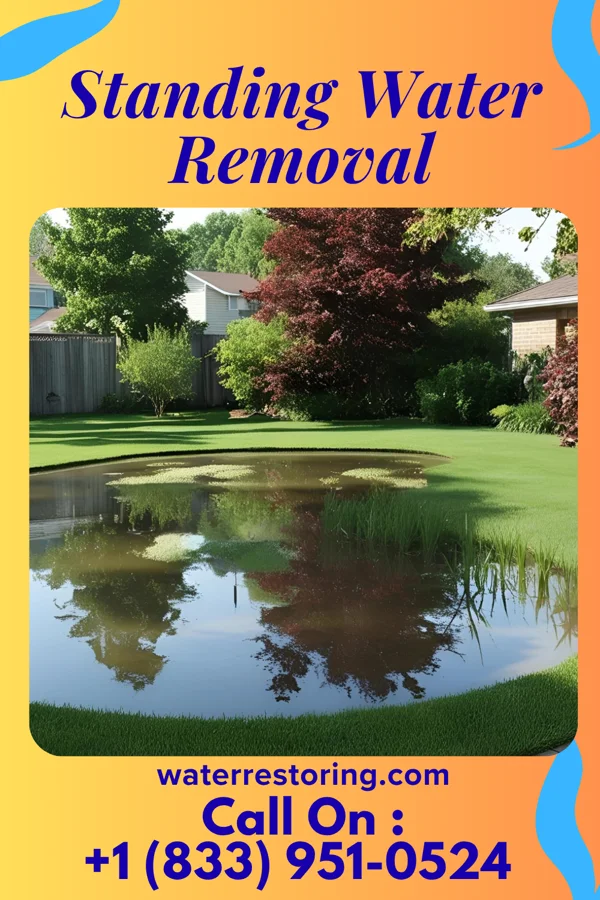
Ground-Water Standing Water in East Thermopolis
Water damage in East Thermopolis tends to cluster in predictable windows because of the local climate. In East Thermopolis, Wyoming, the primary water damage cause is often due to burst pipes in older homes, particularly during the colder winter months when frozen pipes can rupture. Additionally, heavy spring snowmelt can lead to flooding in lower-lying areas, especially near the Little Bighorn River. These events are common and require immediate attention to prevent further structural damage. A close second is Secondary causes include leaking roofs from damaged shingles, especially after severe storms, and groundwater seepage into basements of homes built on sloped terrain. Poorly maintained gutters and downspouts also contribute to water accumulation around foundations..
East Thermopolis experiences a semi-arid climate with cold winters and warm summers, making pipe bursts and frozen water lines a significant risk. The region's proximity to the Little Bighorn River also means that flash flooding can occur, especially after heavy rainfall events.
East Thermopolis experiences a semi-arid climate with cold winters and warm summers, making pipe bursts and frozen water lines a significant risk. The region's proximity to the Little Bighorn River also means that flash flooding can occur, especially after heavy rainfall events. The dominant local driver is In East Thermopolis, Wyoming, the primary water damage cause is often due to burst pipes in older homes, particularly during the colder winter months when frozen pipes can rupture. Additionally, heavy spring snowmelt can lead to flooding in lower-lying areas, especially near the Little Bighorn River. These events are common and require immediate attention to prevent further structural damage., with Secondary causes include leaking roofs from damaged shingles, especially after severe storms, and groundwater seepage into basements of homes built on sloped terrain. Poorly maintained gutters and downspouts also contribute to water accumulation around foundations. showing up as the next most common cause. Damage builds in stages. Spread. Absorption. Microbial growth. Structural compromise. Every stage you pass through adds to the final bill.